

Psychological Readiness for Big Bass Crash Game by UK Pros
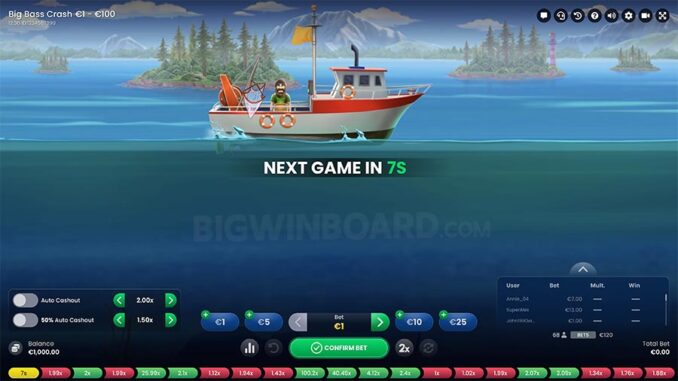

Rapid responses matter in big bass crash game, but observe a top UK player and you’ll see something else. The real difference is in their head. The game’s mental draw is as intense as its glowing multipliers. The key isn’t just predicting when the multiplier will crash. It’s handling your own responses to the wild swings. This article analyzes the psychological habits and systems these professionals use. They develop discipline, navigate risk, and execute clear choices when the pressure is on. We’re going beyond the basic button presses to the fundamental mentality that converts lucky hits into reliable, strategic play.
The Psychology of Fluctuation and Chance
Big Bass Crash is a title of disciplined play to raw risk. The number climbs, the pressure mounts, and the max win sings a siren song. UK pros view this differently as a simple bet of the wheel. They view a chain of thought-out steps. They approach each round as its own standalone moment. The last crash doesn’t affect the next one, a concept called outcome independence. This thinking kills the dangerous idea of pursuing losses or believing a crash is “due.” Their planning starts with a clear, hard reality: the game is unpredictable. Once they accept this, short-term swings stop hurting emotionally. They start a session already at peace with the thought of losing. This seems counterintuitive, but it frees them up. It lets them think clearly. While amateurs waste energy on stress or excitement, pros direct that energy into their personal risk rules. For them, risk becomes a field to understand, not an enemy to confront.
Accepting the Uncontrollable
A core part of this mindset is establishing a clear boundary between what you are able and unable to manage. Pros keep two sets of ideas. One list holds the things they control: their wager amount, when they decide to cash out, how long they stay in the session, their mood. The other list has a single thing: the precise time the crash occurs. They direct their attention entirely on the initial set. This lowers tension and the steady toll of mental tiredness. Many practice this through focused mental exercises, picturing the crash as a chance happening, like a coin toss. The purpose is to react with a composed, thought-out action, not a sudden rush. This isn’t indifference. It’s about creating a buffer between the game’s result and your own sense of balance. When the crash comes, you aim for a strategic reaction, not an emotional meltdown.

Mental Sharpness Techniques
Big Bass Crash is quick and monotonous. Attention can wander, and that’s when mistakes occur. Pros use concrete methods to keep their focus razor-sharp. A common one is interval play. They’ll play a fixed number of rounds, say fifty, or stick to a strict twenty-minute block. Then they take a mandatory break, no exceptions. This counters “autopilot mode,” where reactions diminish and discipline falters. While playing, they practice focused attention. They focus on the game’s visual climb and rising soundtrack, and consciously tune out distractions like chat boxes or phone pings. Some even use a soft voice in their head, describing their actions. “Bet placed. Cash-out set at 7x.” This verbal cue strengthens intentionality. This state of intense focus lets them identify their own bad habits in real time, like the urge to let a bet ride too long during a good run, so they can correct it immediately.
Controlling Tilt and Emotional Spikes
No one is exempt from tilt—that surge of frustration that impairs judgement. The professional advantage isn’t in evading it, but in having a drill for it. Step one is awareness. They’re tuned in to their own physical cues: a faster pulse, a tight jaw, the itch to place a hasty bet. The moment they spot it, the response is instant and non-negotiable: a full stop. They get up from the screen. They follow a pre-planned cool-down, maybe a walk around the room, drinking a glass of water, or doing a sudoku puzzle. The key is they don’t negotiate. “Just one more round” is out of the question. Their mental prep includes embracing tilt. It’s not a failure; it’s a component of the process. By taking the shame out of the emotional spike, they avoid the secondary frustration of being frustrated. That lets them regroup and get back to equilibrium much sooner.
Správa bankrollu as a Mentální Kázeň
Hráči mluví o bankroll management like it’s jen matematiku. Pro profíka, it’s psychological armor. It’s where jejich teorie rizika meets practice. Britští hráči we see define session bankroll as money they are fully prepared se vzdát. They wall it off from their living expenses, jak v peněžence tak v hlavě. The real discipline se ukazuje v tvrdohlavém odhodlání to unit betting—kde každá sázka is a tiny, fixed slice z celku—and to strict stop-loss limits. Tito profesionálové nevnímají these rules jako okovy. They see them jako volnost. Pravidla zjednodušují to nejtěžší rozhodnutí vůbec: umět skončit. Při sérii proher, the brain screams zdvojnásobit sázku a honit ztrátu. Jejich připravenost involves pre-committing. Rozhodují o limitech když jsou klidní, so when the heat is on, volba je již hotová. Toto proměňuje bankroll management from a dry calculation v reálný nácvik v ovládání emocí.
Establishing a Pre-Session Routine
The mental work commences far before the opening bet. UK experts handle a gaming session like a musician handles a gig. They require a practice to enter the zone. A steady pre-session routine serves as that gateway. It shifts the brain from everyday clutter into a mode of focused intent. For some, this involves a brief period of calm breathing to steady the mind and enhance focus. Others could pull up a simple text file with their core principles—bankroll boundaries, loss caps, cash-out thresholds. The practice’s true job is to create a stop. It creates a buffer between the impulse to gamble and the act of gambling. In that break, they establish their targets. These are almost always about process, not results. A solid goal is “I will cash out at 5x every time.” A weak goal is “I must win £50 today.” That psychological anchor becomes a lifeline later when the session gets rough, a steady point to refer to.
After-Session Analysis and Review
For these participants, the mental work isn’t over when they close the game. A structured post-session review is where lasting progress is made. They take a few minutes to evaluate their performance against their process goals, not their profit or loss. They raise simple questions. Did I hold to my cash-out points? Did I follow my bankroll rules? Did I catch my tilt and manage it? They might jot a line or two in a notebook. The point is to separate the quality of their decisions from the randomness of the result. A losing session where they obeyed every rule goes down as a win for discipline. A profitable session where they violated their own strategy gets marked as a loss. This habit strengthens the right mental model. It trains their self-assessment to focus on controllable actions, building a mindset aimed toward refining their process, over and over.
Cultivating Long-Term Stamina
Enduring success in Big Bass Crash is a long haul. The professionals understand that mental resilience is constructed brick by brick, through daily application of these guidelines. They tie their gaming mindset to their overall lifestyle habits. Good sleep, decent food, and some physical exercise go beyond health; they’re performance support. They also practice deliberate detachment. They have hobbies and friends that have nothing to do with gaming. This maintains their perspective healthy and halts burnout before it begins. This holistic view guarantees they have the mental stamina for those high-focus sessions. They see each game not as a separate drama, but as a single point on a long chart of self-mastery. That long view softens the blow of a sudden crash and moderates the thrill of a big win. This perspective is the final, and most powerful, mental buffer. It reshapes the game from a rollercoaster of tense moments into a sustainable practice of disciplined choices.
The strategic advantage in Big Bass Crash, as shown by top UK players, is won in the mind. It’s built through deliberate routines, a stubborn commitment to personal rules, and a systematic way of handling emotions. By zeroing in on what they can control—the pre-session ritual, the bankroll discipline, the focused play, the honest review—players can navigate the game’s inherent chaos with clarity and grit. This mindset transforms the game. It moves play from reactive betting to proactive strategy. The main opponent isn’t the random number generator. It’s your own built-in biases and knee-jerk impulses. Implementing this framework is the most profound, most effective preparation a player can ever undertake.

